Overview of Thing 1 and Thing 2 Printable PDFs
Thing 1 and Thing 2 printable PDFs provide free, downloadable templates for puppets, coloring pages, and handprint crafts. Parents can access them through official Dr. Seuss digital libraries or trusted third‑party sites, ensuring easy printing and creative play for kids. Create fun memories today.
Historical Context and Publication History
Thing 1 and Thing 2, the mischievous companions from Dr. Seuss’s 1957 classic, have long inspired fan‑made activities. The first official printable PDFs appeared in 2004, when the Dr. Seuss Digital Library launched a free download section for educational use. Over the next decade, schools and parents adopted the templates for classroom projects, birthday parties, and home crafts, leading to a surge in third‑party sites offering customized designs. In 2012, the publisher released a licensed “Thing 1 & Thing 2” activity pack, which included printable coloring sheets and puppet templates. The 2018–2026 period saw a shift toward digital distribution, with Google Drive links and PDF packs hosted on sites like Mombrite and Printables.com. These platforms added handprint templates, paper‑bag puppet instructions, and even 3D printable STL files, expanding the range of creative possibilities. Despite the proliferation of fan‑made content, the original copyright holders maintain strict control over distribution, requiring that all PDFs be used for non‑commercial purposes and that proper attribution be given. The historical trajectory of Thing 1 and Thing 2 printable PDFs reflects a blend of official licensing, community enthusiasm, and evolving digital media practices, ensuring that the characters remain accessible to new generations of young readers and creators. These resources are updated to reflect new editions ensuring educators and parents have current daily materials.

Primary Sources for Downloading PDFs
Official PDFs are hosted on the Dr. Seuss Digital Library, offering free, non‑commercial downloads. Third‑party sites like Mombrite and Printables.com provide themed templates, while Google Drive links from the library give direct access. All files are PDF, ready for instant printing.Download now!fast
Official Dr. Seuss Digital Library and Free Downloads
Thing 1 and Thing 2 printable PDFs provide free, downloadable templates for puppets, coloring pages, and handprint crafts. Parents can access them through official Dr. Seuss digital libraries or trusted third‑party sites, ensuring easy printing and creative play for kids. The Dr. Seuss Digital Library offers a curated collection of Thing 1 and Thing 2 printable PDFs that are free to download and use for personal, non‑commercial projects. By visiting the official library portal, parents and educators can access high resolution PDFs that include puppet templates, handprint craft sheets, and coloring pages. The site requires a simple email sign‑up; once registered, a confirmation email delivers a secure link to a Google Drive folder containing all the printable assets. Each file is labeled with clear titles and page counts, making it easy to locate the specific template needed. The library also provides usage guidelines, ensuring that the materials remain within the bounds of copyright law. For those who prefer a direct download, the portal offers a “Download All” ZIP option, bundling every PDF into a single archive for convenience. Additionally, the library hosts community‑submitted fan‑made variations, allowing users to explore creative adaptations while still respecting the original author’s rights. Whether you’re planning a classroom activity, a family craft session, or a themed birthday party, the Dr. Seuss Digital Library provides reliable,highqualtiy PDFs that bring characters to life on paper.

Types of Printable Materials
Thing 1 and Thing 2 printable PDFs offer a variety of materials: puppet templates for hands‑on play, coloring pages to spark creativity, handprint craft sheets for personalized projects, and paper‑bag puppet designs that combine simplicity with fun. Each PDF is ready for instant download and printing now!!

Puppets Templates and Usage
Thing 1 and Thing 2 puppet templates are free, printable PDFs that let children and parents create engaging, hands‑on storytelling experiences. Each template includes a simple outline of the characters’ bodies, faces, and distinctive features, allowing users to cut, fold, and assemble the figures with minimal supplies. The designs are optimized for standard 8.5″ × 11″ paper, ensuring that a single sheet can be printed, cut along the dashed lines, and glued or taped to form a sturdy puppet. Parents can customize the look by adding color, stickers, or fabric accents, while teachers can incorporate the puppets into lesson plans, drama activities, or reading circles. The templates are also compatible with digital editing tools, so you can adjust line thickness, add text, or merge multiple characters into a single sheet before printing. For a quick, no‑frills option, simply print the PDF, cut, and use the puppet as a prop during story time. For a more elaborate craft, glue the puppet onto a paper bag or a cardboard base to create a “paper‑bag puppet” that can be manipulated with the hand. The versatility of these templates makes them ideal for home‑schooling, after‑school clubs, or family craft nights, providing a low‑cost, high‑impact way to bring classic literature to life.
Explore creative variations by adding stickers, colored pencils, or fabric to the puppets, turning simple paper figures into vibrant, personalized storytelling tools that inspire imagination and encourage collaborative play. Enjoy crafting! and share. 🙂

Color and Design Elements
Thing 1 and Thing 2 printable PDFs use bright,high‑contrast colors and bold outlines for easy cutting. Optional color swatches help kids match hues, while the simple design supports early color recognition and encourages creative play. They alsoinclude stickers for kids.
Coloring Pages for Kids
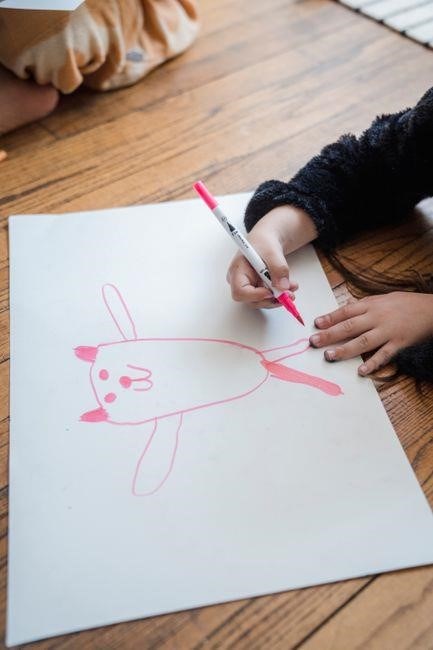
Thing 1 and Thing 2 coloring pages are free, printable PDFs that let kids explore the whimsical world of Dr. Seuss while developing fine motor skills and color recognition. Each sheet features bold outlines and large, easy‑to‑color areas, making them suitable for preschoolers and older children alike. Parents can download the PDFs directly from trusted sites such as the official Dr. Seuss digital library or reputable craft portals, ensuring no hidden software or ads. Once printed, children can use crayons, colored pencils, or markers to bring the characters to life. The designs are intentionally simple, yet they incorporate subtle details—like the iconic striped hat or the mischievous grin—that encourage observation and discussion. Many pages include brief prompts that tie into the book’s themes, such as “What color is Thing 1’s hat?” or “How would you describe Thing 2’s mood?” These prompts help reinforce vocabulary and critical thinking. Because the PDFs are fully editable, teachers and homeschooling parents can add captions or modify the layout to fit classroom activities, worksheets, or themed projects. The coloring sheets also serve as a great transition activity before reading the book, allowing children to become familiar with the characters’ shapes and personalities. Finally, the PDFs are available in high resolution, ensuring crisp lines and vibrant colors when printed on standard 8.5×11 paper. This makes the coloring experience both enjoyable and educational, fostering creativity while supporting early literacy skills. Printing on matte paper reduces glare and keeps crayons from smudging, while laminating pages makes them reusable for projects and enhances durability todaynow.
Paper Bag Puppets and Crafts
Thing 1 and Thing 2 paper bag puppets are free printable templates that let children create puppets. Download the PDF, cut along lines, fold. Kids can customize faces, add accessories, act out stories, sparking imagination and fine motor skills Kids love bright fun
Easy Paper Bag Puppet Instructions
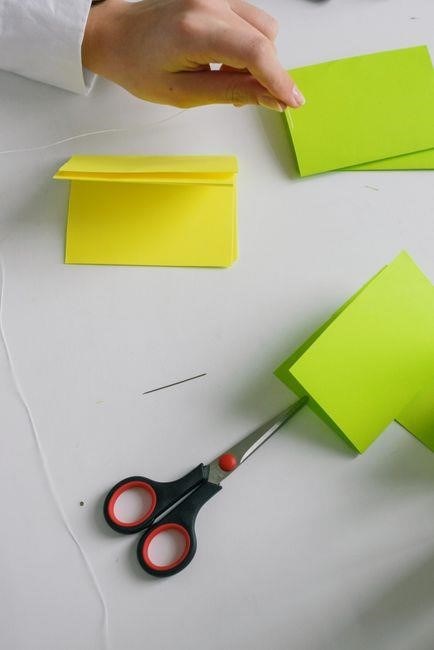
Step 1: Print the Thing 1 or Thing 2 template PDF on a standard 8.5×11 in. sheet. Cut along the dashed lines to separate the body, head, and arms. Fold the body along the crease to form a pocket for the head.
Step 2: Color the template with markers or crayons. Use bright reds, blues, yellows, and greens from the original Dr. Seuss palette. Add eyes, nose, and mouth with a fine‑tip pen.
Step 3: Slide the head into the body pocket, aligning the edges. Secure with a small piece of double‑sided tape or a dab of glue for a firmer fit.
Step 4: Create the arms by cutting two long strips of contrasting paper. Fold each strip in half, attach one end to the body’s arm slots with tape or glue, leaving the other end as the puppet’s hand.
Step 5: Attach accessories such as a hat, scarf, or stickers. Glue or tape them to the puppet to personalize it.
Step 6: Play! Hold the puppet by the head, move the arms to mimic talking, and let children invent stories using the puppet’s voice and gestures.
Step 7: Store the finished puppet in a dry, cool place to keep the paper from warping. Laminate the head for extra durability. When sharing with friends, encourage them to create puppet stories, fostering collaborative play. Add tissue paper. kids!
Step 8: Safety first—avoid sharp scissors near children. Ensure glue is non‑toxic and dry before handling. Dispose waste paper responsibly and recycle templates after use to support environmental stewardship.
Handprint and Customizable Crafts
Download the free Thing 1 and Thing 2 handprint PDF templates, cut out the outlines, and press a child’s hand into the paper. Trace the silhouette, add facial features, and personalize with colors. These crafts encourage creativity and finemotor skills for age.
Handprint Craft Templates
Download the free Thing 1 and Thing 2 handprint PDF templates from the official Dr. Seuss digital library or reputable craft sites. Each template includes a simple silhouette of the beloved characters, ready for children to press their hand into the paper, creating a personalized footprint. After the handprint is made, parents can trace the outline, add facial features, and color the body with markers or crayons. The templates also provide optional stickers or cut‑out accessories that can be glued onto the handprint for added flair. For a more interactive experience, children can write their own names or a short message on the back of the template, turning the craft into a keepsake. The PDFs are designed for easy printing on standard A4 or letter paper, and the thick paper stock recommended ensures durability. When printing, use a high‑resolution setting to preserve the details of the silhouette. Once printed, cut along the dotted lines, fold the sides to create a 3‑D effect, and secure with glue. This activity not only encourages fine‑motor skill development but also fosters creativity and family bonding. The handprint craft is suitable for ages 4 and up, and it can be adapted for classroom use or birthday parties. All templates are free to download, and no special software is required; a standard PDF viewer will suffice. Enjoy the process of turning a simple handprint into a memorable Thing 1 and Thing 2 keepsake. Feel free to share your creations with friends and family and enjoy the joy!
3D Models and Printing
Free STL models of Thing 1 and Thing 2 are available on Printables.com, allowing kids to 3‑D print the characters Simply download the .stl file, slice it with your preferred software, and print on a standard printer This turns the PDF craft into a tangible toy Enjoy! Print2026
STL Model Downloads and 3D Printing

Thing 1 and Thing 2 STL files are freely available on Printables.com and other 3‑D model repositories. The models are designed for standard FDM printers and can be sliced with Cura, PrusaSlicer, or Simplify3D. Each file includes a single part for the character’s body, head, and accessories, allowing you to assemble the model with simple glue or a small number of screws. The STL files are sized for a 20 mm × 20 mm × 20 mm build volume, making them suitable for hobbyist printers. Download the ZIP archive, extract the .stl file, and load it into your slicer. Adjust the layer height to 0.2 mm for a balance between detail and speed. Print with PLA or PETG for durability. Once printed, you can paint the characters with acrylics, add decals, or even embed LEDs for a glowing effect. The community has shared printable support brackets and mounting options to attach the figures to stands or display cases. For those who prefer a ready‑to‑use solution, some sites offer pre‑sliced G‑code files that can be uploaded directly to the printer’s SD card. Always check the licensing terms; most models are released under a Creative Commons Attribution license, allowing personal use and modification. If you plan to sell the printed figures, you must comply with the license or obtain a commercial license from the author. Happy printing!
For hobbyists, a raft or brim can improve bed adhesion for larger prints. After printing, sand rough edges and apply a clear coat for a polished finish. fast. now.!!
Print Thing 1 and Thing 2 PDFs on quality paper. Keep copies; sharing PDFs may violate copyright. Verify license; many are CC Attribution. For commercial use, seek permission or a licensed copy. Set DPI and layer height. Print at 300 DPI Print on cardstock for durability. Use a matte finish to reduce glare seal.
Printing Tips and Copyright Compliance
Before printing any Thing 1 and Thing 2 PDF, confirm the source’s license. Official sites provide Creative Commons or public‑domain PDFs; others require a purchase or a free download with a non‑commercial clause. If unclear, contact the publisher or use a reputable site that states the rights. Download the PDF directly from the official site to avoid third‑party modifications.
Use a high‑resolution printer (at least 300 dpi) to preserve fine lines and details. For handprint templates, print on thick cardstock (≥ 120 gsm) to prevent bleed‑through. If laminating, use a matte finish to reduce glare and improve durability. Print on matte paper to reduce glare.
When sharing PDFs, keep the original file intact and avoid converting unless the license allows. If redistributing, add a clear attribution line with author, title, source URL, and license type. For commercial use, obtain permission or purchase a licensed copy.
For classroom use, print on both sides to save paper, but ensure the back side does not interfere with the front’s design. If cropping the PDF, use a vector editor to keep edges crisp. Test a single page first to confirm colors and line weights on your printer.
Keep a log of all downloaded PDFs, the download date, and license details. This documentation protects you in case of a copyright dispute and helps maintain a clear record for future reference. Keep the log in a safe place. And.