UCSC Disorientation Guide 2024: An Overview
The 2024 UCSC Disorientation Guide, created by students, provides a critical perspective on the university’s history and current state. It’s a resource offering insights beyond the official orientation materials.
This guide, dating back to at least 2004, aims to equip new students with a nuanced understanding of UCSC and the broader UC system, fostering informed engagement.
The UCSC Disorientation Guide is a student-created publication intended to supplement – and often challenge – the official university orientation materials. Emerging as early as 2004, as evidenced by the 2004 edition available on Issuu, it represents a long-standing tradition of critical inquiry and alternative perspectives within the UCSC community.
Unlike the official orientation, which typically focuses on welcoming students and outlining logistical information, the Disorientation Guide delves into the historical and political context of UCSC and the University of California system. It aims to provide a more comprehensive understanding of the institution, acknowledging its complexities and contradictions.
This guide isn’t about discouraging students from attending UCSC; rather, it’s about empowering them with knowledge. It encourages a proactive and critical approach to their education, prompting them to question assumptions and engage with the university’s history of activism. The information presented isn’t simply a list of facts, but a curated collection of perspectives designed to foster informed discussion and engagement.
Essentially, the Disorientation Guide serves as a counter-narrative, offering a student-led interpretation of UCSC’s identity and its place within the larger socio-political landscape. It’s a testament to the enduring spirit of independent thought and critical analysis that characterizes the UCSC student body.
Historical Context of UCSC & the Guide
The University of California, Santa Cruz, was founded in 1965, born from a period of significant social and political upheaval. This context of student activism and counter-cultural movements deeply influenced UCSC’s early development, fostering a tradition of questioning authority and challenging conventional norms. The Disorientation Guide, appearing in a documented form by 2004, directly reflects this historical legacy.
UCSC’s founding principles emphasized interdisciplinary study and a small-college system, aiming to create a more personalized and engaging learning environment. However, alongside these progressive ideals existed systemic issues related to funding, accessibility, and the influence of the broader UC system. The Disorientation Guide emerged as a platform to address these concerns.
The guide’s longevity – with evidence of its existence for at least two decades – suggests a consistent need for a critical counterpoint to the official university narrative. It’s a response to perceived shortcomings in transparency and a desire to provide students with a more complete understanding of UCSC’s past and present challenges.
The very act of creating and distributing a “Disorientation” Guide is itself a historical statement, echoing the student activism that shaped UCSC’s origins. It represents a continuing effort to hold the university accountable and advocate for positive change, ensuring that UCSC remains true to its progressive roots.
The Purpose of a “Disorientation” Guide
The UCSC Disorientation Guide, as its name suggests, intentionally challenges the conventional orientation process. While official orientations aim to integrate students into the university community with a positive outlook, the Disorientation Guide offers a critical overview, prompting students to question and analyze their new environment.
Its primary purpose isn’t to dissuade students from attending UCSC, but rather to equip them with a more comprehensive understanding of the university’s complexities. This includes examining its history of activism, scrutinizing tuition and fees, and understanding the broader context of the UC system’s influence.
The guide serves as a tool for empowerment, encouraging students to become informed and engaged members of the campus community. By highlighting potential issues and offering alternative perspectives, it aims to foster critical thinking and proactive participation in university governance.
Essentially, it’s a student-led initiative designed to supplement – and sometimes challenge – the official university narrative. It provides a platform for voices often marginalized and offers a space for discussing sensitive topics that might not be addressed during traditional orientation programs. The guide aims to promote a more nuanced and informed student body, prepared to advocate for positive change within the UCSC community.

UCSC Campus Resources & Navigation
Navigating UCSC requires understanding available resources. The Disorientation Guide complements official information, offering student perspectives on academic support, financial aid, health services, and counseling options for a smoother transition.
Academic Advising & Support
UCSC’s academic landscape can be complex, and the Disorientation Guide serves as a supplementary resource to official advising. While the university provides academic advisors within each college and department, the guide often highlights potential challenges students face when seeking support.
It may offer critical perspectives on advisor availability, the effectiveness of different advising approaches, and navigating degree requirements. The guide frequently emphasizes the importance of proactive engagement with faculty during office hours as a valuable form of academic support, supplementing formal advising channels.
Students often find the Disorientation Guide helpful in understanding unwritten rules about course selection, major declarations, and accessing resources like tutoring services. It can also shed light on the varying levels of support available across different departments, empowering students to advocate for their academic needs. The guide encourages peer-to-peer support networks as a crucial element of academic success at UCSC, recognizing the value of shared experiences and collaborative learning.
Furthermore, it may point out resources beyond the university, such as community-based tutoring or writing centers, offering alternative avenues for academic assistance. The Disorientation Guide aims to equip students with the knowledge to navigate the academic system effectively and seek support when needed, fostering a more empowered and successful learning experience.
Financial Aid & Scholarships
Navigating the financial aspects of higher education at UCSC can be daunting, and the Disorientation Guide often provides a critical lens on the university’s financial aid system. While UCSC’s Financial Aid Office offers various grants, loans, and work-study opportunities, the guide frequently addresses concerns about rising tuition costs and the increasing burden of student debt.
It may detail the complexities of the financial aid application process, highlighting potential pitfalls and offering strategies for maximizing aid eligibility. The guide often emphasizes the limitations of loan-based aid and encourages students to explore alternative funding sources, such as external scholarships and grants.
Students often find the Disorientation Guide helpful in understanding the fine print of financial aid packages, including loan terms, interest rates, and repayment options. It can also shed light on the impact of financial aid on academic choices, such as the pressure to take on more units to maintain aid eligibility.
The guide frequently advocates for increased financial support for students and challenges the systemic issues that contribute to the rising cost of education. It may also provide information on emergency financial assistance programs and resources for students facing unexpected financial hardships, fostering a more equitable and accessible learning environment.
Student Health Services
UCSC Student Health Services (SHS) provides a range of medical, counseling, and wellness services to enrolled students. However, the Disorientation Guide often offers a critical assessment of SHS, addressing potential limitations in accessibility, affordability, and the scope of care provided. It may highlight long wait times for appointments, particularly for specialized services, and the challenges students face in navigating the healthcare system.
The guide frequently discusses the limitations of the SHS insurance plan and encourages students to carefully consider their healthcare options. It may also address concerns about the confidentiality of medical records and the potential impact of healthcare decisions on immigration status.
Students often find the Disorientation Guide helpful in understanding their rights as patients and advocating for their healthcare needs. It can also provide information on alternative healthcare resources in the Santa Cruz community, such as free clinics and low-cost medical providers.
The guide frequently emphasizes the importance of preventative care and mental health awareness, encouraging students to prioritize their well-being. It may also advocate for increased funding for SHS and improved access to comprehensive healthcare services for all students, fostering a healthier and more supportive campus environment.
Counseling & Psychological Services

UCSC Counseling & Psychological Services (CAPS) offers confidential mental health support to students, including individual and group therapy, workshops, and crisis intervention. However, the Disorientation Guide frequently presents a critical perspective on CAPS, often detailing concerns about accessibility and adequacy of services given the student population’s needs.
A common theme within the guide is the lengthy waitlists for appointments, particularly during peak times like midterms and finals. Students often report difficulty accessing timely care, leading to increased stress and potential mental health crises. The guide may also address concerns about the limited number of therapists specializing in specific issues, such as trauma or identity-based concerns.
The Disorientation Guide often emphasizes the importance of self-care and peer support, providing resources for students to connect with one another and build community. It may also highlight alternative mental health resources available in the Santa Cruz area, including low-cost counseling centers and support groups.
Critically, the guide encourages students to advocate for increased funding for CAPS and improved mental health services on campus, recognizing the vital role of mental well-being in academic success and overall student experience.
Student Life at UCSC
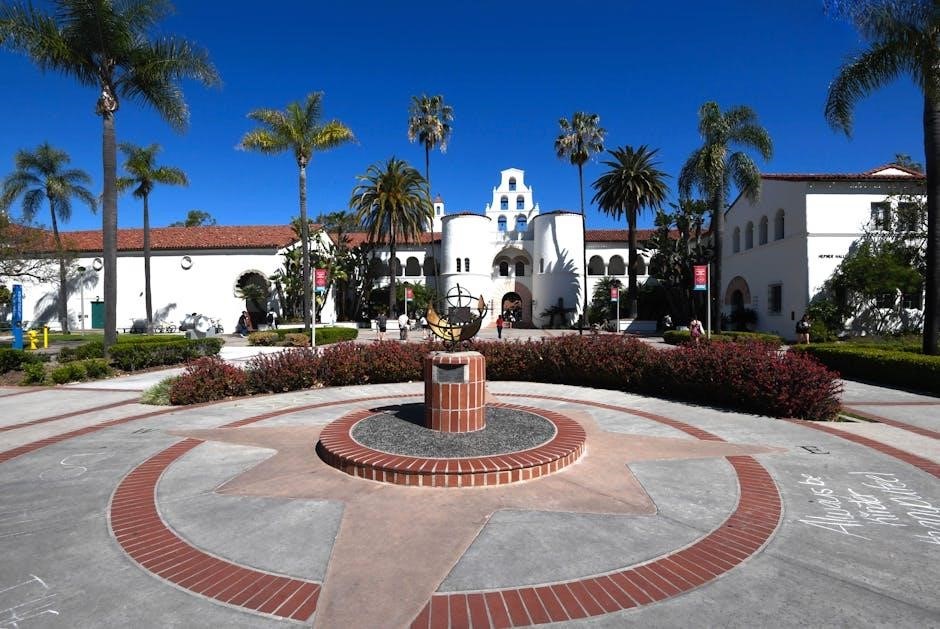
UCSC student life is vibrant, encompassing residential colleges, diverse student organizations, and abundant recreational opportunities. The Disorientation Guide often analyzes these aspects, offering a student-led perspective on campus culture and inclusivity.
It highlights both the strengths and challenges of navigating social life at UCSC.
Residential Life: Colleges & Housing
UCSC’s unique residential college system is a cornerstone of student life, and the Disorientation Guide frequently addresses its complexities. Unlike traditional universities, UCSC organizes undergraduates into ten colleges – Cowell, Kresge, Oakes, Porter, Stevenson, Crown, Merrill, Moore, Rachel Carson, and College Nine – each fostering a smaller community within the larger campus.
The Guide often critiques the varying quality of housing across colleges, pointing out differences in amenities, proximity to academic buildings, and overall atmosphere. It may delve into the historical context of the college system, exploring its original intent and how it has evolved over time. Students contributing to the Disorientation Guide often share personal experiences regarding housing assignments, roommate situations, and the challenges of navigating the housing lottery.

Furthermore, the guide may offer practical advice on understanding the different college cultures, identifying potential housing issues, and advocating for improvements. It could also address concerns about affordability, accessibility, and the impact of housing policies on student well-being. The Disorientation Guide aims to provide a realistic and critical assessment of residential life at UCSC, empowering students to make informed decisions and navigate the housing system effectively.
Student Organizations & Clubs
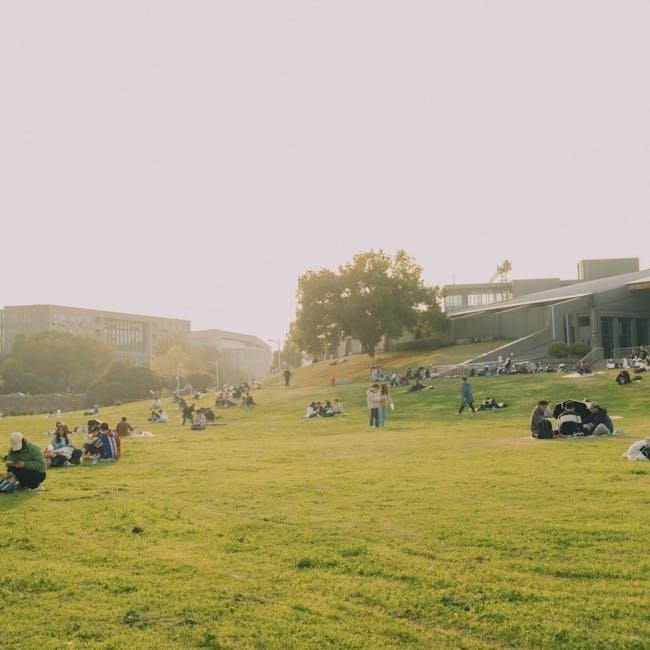
The breadth of student organizations and clubs at UCSC is a significant aspect of campus life, and the Disorientation Guide typically offers a critical perspective on this landscape. While acknowledging the vibrant array of groups – encompassing academic, cultural, political, and recreational interests – the Guide often examines issues of accessibility, inclusivity, and funding disparities.
It may highlight the challenges faced by smaller or less established organizations in securing resources and gaining visibility. The Disorientation Guide frequently encourages students to critically evaluate the power dynamics within student government and the allocation of student fees. It could also address concerns about representation and the need for greater diversity within leadership positions.
Beyond simply listing clubs, the Guide often provides insights into the history of student activism at UCSC and the role that organizations have played in advocating for social change. It might offer guidance on how to get involved, navigate bureaucratic processes, and effectively organize around specific issues. Ultimately, the Disorientation Guide aims to empower students to actively shape the campus community and challenge existing power structures through participation in student organizations.
Cultural & Diversity Resources

The UCSC Disorientation Guide typically dedicates space to outlining cultural and diversity resources, but often with a critical lens. It acknowledges the university’s stated commitment to diversity and inclusion while simultaneously examining the gaps between rhetoric and reality. The Guide likely details existing centers and programs – such as the El Centro, the African American Resource and Cultural Center, and the Native American Student Resource Center – but also investigates their funding, staffing, and accessibility.
It may address concerns about representation within these centers and the extent to which they truly serve the needs of marginalized student populations. The Disorientation Guide often highlights historical struggles for multiculturalism at UCSC and the ongoing fight for equity. It could also critique the university’s approach to issues like affirmative action and the recruitment of diverse faculty and staff.
Beyond listing resources, the Guide frequently encourages students to engage in critical dialogue about identity, privilege, and systemic oppression. It might offer information about relevant student organizations and advocacy groups working to promote social justice on campus and beyond, empowering students to become active agents of change.
Recreational Activities & Outdoors
While acknowledging UCSC’s stunning natural environment, the Disorientation Guide likely presents recreational activities and outdoor opportunities with a nuanced perspective. It won’t simply list hiking trails and campus recreation facilities. Instead, it may explore the historical context of the land UCSC occupies, recognizing it as traditional territory of the Ohlone people and prompting reflection on issues of land access and Indigenous stewardship.
The Guide could critique the accessibility of outdoor recreation for students from diverse socioeconomic backgrounds, considering the costs associated with equipment and transportation. It might also address environmental concerns related to campus development and the impact of recreational activities on the surrounding ecosystem.
Beyond the standard offerings, the Disorientation Guide often highlights alternative or lesser-known recreational opportunities, such as student-led outdoor adventure groups or volunteer opportunities focused on environmental conservation. It encourages students to engage with the outdoors responsibly and critically, fostering a deeper understanding of the relationship between the university, the local environment, and the broader community.

Critical Perspectives on UCSC
The Disorientation Guide offers a critical overview of UCSC, examining its history of activism, tuition costs, and role within the UC system. It encourages questioning established narratives and power structures.
UCSC’s History of Activism
UCSC has a deeply ingrained history of student activism, a tradition the Disorientation Guide explicitly acknowledges and contextualizes. Unlike many universities, UCSC was founded during a period of significant social upheaval in the late 1960s, directly influencing its early ethos and academic structure. The guide likely highlights pivotal moments, such as protests against the Vietnam War and the fight for Ethnic Studies programs, demonstrating a long-standing commitment to social justice.
This activist spirit isn’t merely historical; it continues to shape the campus climate today. The Disorientation Guide likely details ongoing struggles related to issues like affordability, racial justice, and environmental sustainability. It serves as a reminder that UCSC’s progressive image isn’t simply a matter of marketing, but a product of sustained student organizing and advocacy.
Furthermore, the guide probably connects UCSC’s activist past to the present, illustrating how past movements have informed current campaigns. It emphasizes the importance of understanding this history to effectively engage in contemporary struggles for change, positioning activism not as isolated incidents, but as a continuous thread woven into the fabric of the university.
Tuition & Fees: A Critical Analysis
The UCSC Disorientation Guide undoubtedly offers a critical examination of tuition and fees, moving beyond the university’s official explanations. It likely dissects the rising costs of attendance, framing them not as inevitable economic realities, but as deliberate policy choices with significant consequences for students and their families. The guide probably details the breakdown of fees, questioning the allocation of funds and highlighting areas where resources could be better utilized.
A key focus will likely be on the impact of tuition increases on accessibility, particularly for low-income students and students of color. The guide may present data illustrating the growing debt burden faced by UCSC graduates and the ways in which financial pressures can hinder academic success. It probably connects these issues to the broader context of the California Master Plan for Higher Education and the decline in state funding for public universities.
Furthermore, the Disorientation Guide likely explores alternative funding models and advocates for policies that prioritize affordability and equity. It aims to empower students with the knowledge to challenge the status quo and demand a more just and accessible higher education system.
The Role of the UC System
The UCSC Disorientation Guide consistently frames UCSC not as an isolated institution, but as an integral part of the larger University of California system. It likely provides a critical analysis of the UC’s structure, governance, and overall mission, questioning its commitment to public service and accessibility. The guide probably details the historical evolution of the UC system, highlighting the shift from a relatively affordable public good to a more market-driven enterprise.
A central argument will likely focus on the influence of the UC Board of Regents, examining its composition and the extent to which it represents the interests of students, faculty, and the broader California community. The guide may also explore the relationship between the UC system and state government, analyzing the impact of political decisions on funding levels and tuition policies.
Furthermore, the Disorientation Guide likely addresses the increasing corporatization of the UC system, pointing to the growing reliance on private funding, the expansion of administrative bureaucracy, and the prioritization of research revenue over undergraduate education. It aims to expose the systemic forces shaping the UC experience and empower students to advocate for systemic change.
Local Community & UCSC Relations
The UCSC Disorientation Guide frequently addresses the complex relationship between the university and the surrounding Santa Cruz community. It likely examines the historical tensions arising from UCSC’s presence, including concerns about gentrification, housing affordability, and the impact on local resources. The guide probably details instances of community activism and resistance to university expansion plans.
A key focus will likely be on the university’s role as a major employer and landowner, analyzing its economic impact on the region and its responsibility to address social and environmental issues. The guide may also explore the dynamics of power between the university administration and local government, questioning the extent to which UCSC is accountable to the community it inhabits.
Furthermore, the Disorientation Guide likely highlights efforts to foster collaboration and mutual understanding between UCSC students and local residents, showcasing community-based learning initiatives and opportunities for civic engagement. It aims to encourage students to become active and informed members of the Santa Cruz community, recognizing their interconnectedness and shared responsibility.

Practical Information for New Students
While offering critical perspectives, the UCSC Disorientation Guide doesn’t ignore practicalities. It likely supplements official resources with student-tested advice on navigating campus life and local amenities effectively.
Transportation & Parking
The UCSC Disorientation Guide, while primarily focused on critical analysis, likely acknowledges the logistical challenges of transportation and parking at UCSC. Given the campus’s unique hillside location and limited parking availability, this is a significant concern for new students.
Expect the guide to offer a realistic assessment of parking permit costs and availability, potentially highlighting the difficulties of securing a permit, especially for first-year students. It may detail the various parking zones and their restrictions, going beyond the official UCSC Transportation and Parking Services (TAPS) website.
Furthermore, the guide probably emphasizes alternative transportation options. UCSC is served by the Santa Cruz Metropolitan Transit District (Metro), and the Disorientation Guide could provide detailed information on bus routes connecting campus to the city of Santa Cruz and surrounding areas. It might also promote carpooling, biking, and walking as sustainable and cost-effective alternatives.
The guide could also address the challenges of navigating the steep campus terrain, offering tips for cyclists and pedestrians. It may even point out less-known shortcuts and bike paths. Expect a student perspective on the realities of getting around UCSC, supplementing the official information with practical, lived experiences.
Campus Safety & Security
The UCSC Disorientation Guide likely addresses campus safety and security, offering a perspective that extends beyond official UCSC Police Department (UCPD) communications. Expect a critical examination of security measures and their impact on the student body.
The guide may detail reported incidents on and around campus, potentially highlighting areas of concern and offering advice for staying safe. It could discuss the presence of UCPD and their role, possibly raising questions about police presence and its effect on marginalized communities.
Beyond physical safety, the guide might address issues of sexual assault and harassment, providing information about reporting procedures and available resources. It could critique the university’s response to such incidents and advocate for improved support systems for survivors.
Furthermore, the Disorientation Guide may offer practical safety tips, such as walking in well-lit areas, utilizing the campus escort service, and being aware of one’s surroundings. It could also discuss emergency procedures and how to access help in various situations. Expect a student-centered approach to safety, emphasizing awareness, prevention, and community support, rather than solely relying on official security measures.
Important Dates & Deadlines
While the official UCSC academic calendar provides standard dates, the UCSC Disorientation Guide likely presents a counter-calendar, highlighting dates with political or historical significance to the campus community. Expect a focus beyond registration and tuition deadlines.
The guide may mark dates of past protests, strikes, or pivotal moments in UCSC’s history of activism, encouraging students to learn from and engage with the university’s legacy of social justice. It could also feature dates related to ongoing campaigns for student rights or university accountability.
Beyond historical dates, the Disorientation Guide might include deadlines for student organization funding applications, opportunities to participate in campus governance, or events organized by activist groups. It’s a resource for students seeking to get involved in campus life beyond academics.
Furthermore, the guide could offer a critical perspective on university deadlines, questioning their impact on students from diverse backgrounds or those facing financial hardship. Expect a challenge to the conventional academic timeline, advocating for flexibility and accessibility. It’s a student-driven calendar designed to empower and inform, rather than simply dictate.
Technology Resources & Support
The UCSC Disorientation Guide likely doesn’t focus on standard IT support like password resets. Instead, it probably highlights resources for digital privacy, security, and alternative technologies, reflecting a critical stance towards institutional control.
Expect information on encrypted communication tools, VPNs, and methods for protecting personal data online. The guide might critique the university’s data collection practices and offer strategies for minimizing digital surveillance. It could also detail resources for circumventing censorship or accessing information blocked by the university network.
Beyond security, the guide may showcase student-run tech collectives or workshops offering peer-to-peer support for software, hardware, and digital skills. This emphasizes a collaborative, decentralized approach to technology, contrasting with the official IT department.
Furthermore, the Disorientation Guide could address the digital divide, highlighting resources for students lacking access to reliable internet or technology. It might advocate for affordable internet access and accessible technology for all students, challenging the university to address inequities. Expect a focus on empowering students through technological literacy and autonomy.